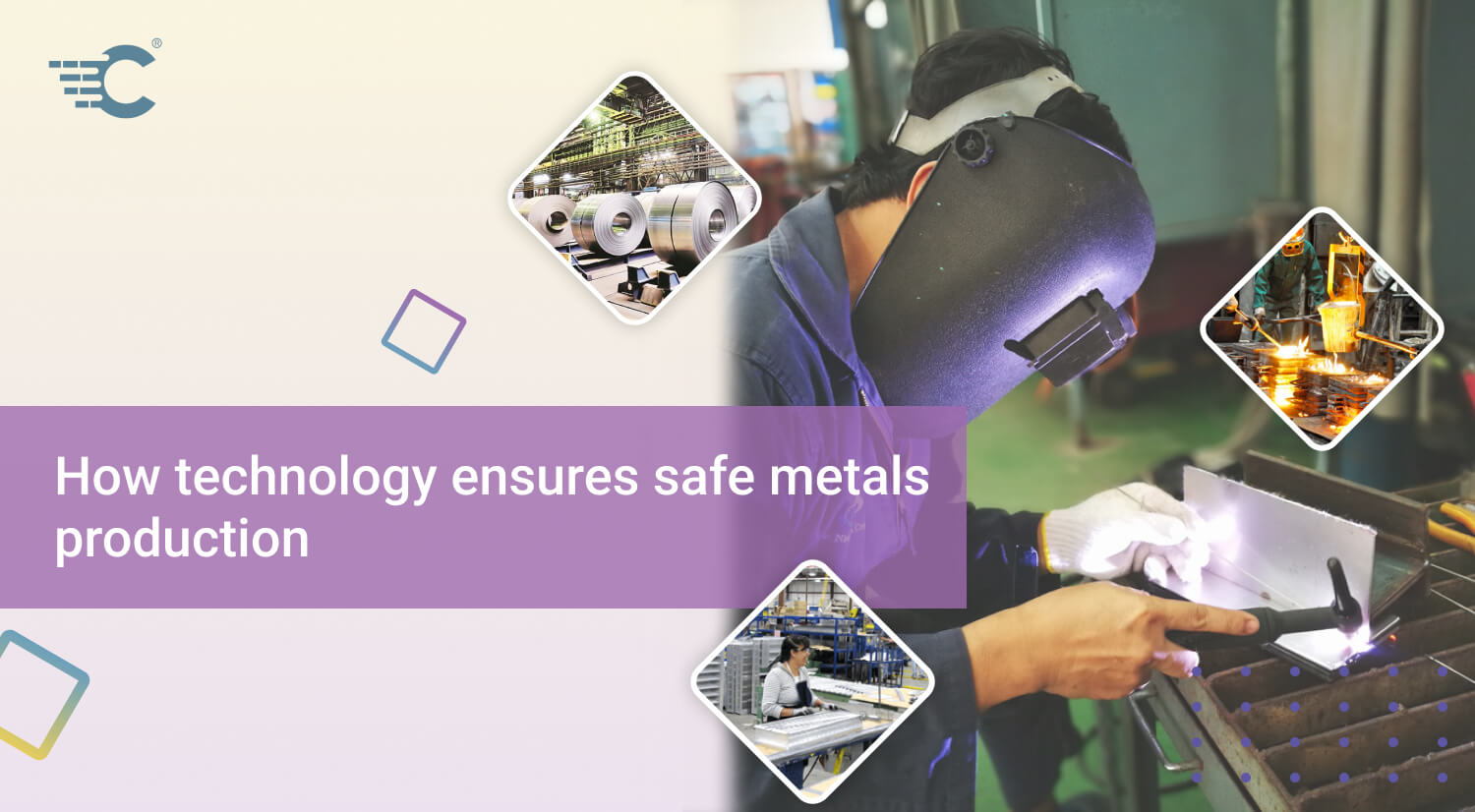
Although workplace safety has made significant strides over the past few decades, there is still space for improvement. Each year, millions of people sustain injuries at work at a tremendous cost to both themselves and their companies. Injuries at work cost 2.8 million US workers their safety and health in 2018. Up to 3 million accidents occur each year in Europe. Injuries sustained at work can cost up to €456 billion annually in Europe alone.
However, there are a number of ways to improve workplace safety, and one of them is through various technical developments. Experts found that higher rates of technology use can raise safety standards and prevent people from getting into accidents.
The use of robotics and other automated equipment is the most obvious application of technology to eliminate the need for employees to conduct hazardous activities. However, there are more solutions available, ranging from virtual reality training to devices that monitor workers' health, such smart helmets, sensors, and watches.
You cannot, however, use new technology. The National Safety Council (NSC) surveyed professionals in the fields of environment, health, and safety (EHS), and discovered that the following factors are the biggest obstacles to implementing workplace safety technology:
- A lack of knowledge on various technologies
- A lack of knowledge regarding businesses that are successfully utilizing these technologies
We're concentrating on the following areas to aff=Getac sought to close the knowledge gap about appropriate workplace safety technology in order to assist businesses in making their workplaces even safer. It did so by concentrating on the following areas:
- The sectors where workplace safety needs the most improvement
- The most frequent risks in these workplaces
- Appropriate technology developments for reducing these dangers
Which commonplace employment circumstances can be the most dangerous?
We were able to discover a number of hazardous scenarios that put workers at risk of harm based on several research, reports, and publications about workplace security in the selected industries. The illustration below shows this. Definitions from the 2019 National Safety Council (NSC) report were used for the categories.
Additionally, we've underlined which dangerous circumstances are common, most of the most prevalent harmful issues are present in all or the majority of the relevant industries.
This underscores even more how important it is to treat workplace safety seriously.
The NSC interviewed 32 EHS professionals from various industries and combined their findings with data from the US Bureau of Labor Statistics. The most dangerous scenarios at their jobs, according to the participants, were working at heights (cited by 50% of those surveyed), electrical work (50%), operating machinery (34%), operating heavy equipment (25%), and entering tight spaces (25%). The most frequent injuries stated in other research fit with these businesses' other pertinent categories, which include
- installation and construction
- the ability to drive a car
- using dangerous substances, gases, or liquids
- loading and unloading
- hot labor
Immediate risks are those that are directly related to the occurrence, such as the danger of falling when working at a height.
However, there may be additional causes for the major risk, such as the initial cause of the person's fall. The following ancillary elements that could lead to danger were mentioned in numerous research and articles:
- A human error or exhaustion
- Ignoring safety precautions, such as wearing protective gear or failing to maintain the workplace clean
- A lack of or insufficient training
- Uncontrollable factors include catastrophic weather, or a mine being flooded by strong rain
Finding a single solution to address these issues is challenging. Many of these exhibit how the entire firm feels about workplace safety. It is important to take into account their effects, and fortunately there are various technical solutions that can lessen the impact of these auxiliary factors.
Safety measures protect workers and help prevent accidents and injuries, thus they should never be disregarded. Following these fundamental practices is recommended when working in this sector:
1. Training Sessions Done Right
Every employee should receive training before they begin working, and as a refresher, there should also be sporadic training provided while they are on the job.
A thorough training program should cover the proper use of tools and machinery, occupational dangers, suitable working conditions, and best practice guidelines. This will shield the workplace from risks and accidents.
2. Important Safety Equipment
When working with any machinery or materials, safety gear such as hard helmets, goggles, gloves, earplugs, and safety shoes should always be available. Due to the great risk of becoming trapped in the machinery, no jewelry or loose clothing should ever be worn. By using this safety equipment, you can be confident that your staff are always working in a secure atmosphere and are protected from any potential threats.
3. Inspection and Use of Tools
The best functioning condition of the tools should be determined before beginning any metal manufacturing activities. Before using them, both manual and power tools should be checked for any issues and tested to see if they need to be replaced. Make sure your personnel are aware of the safety features that have been installed by the manufacturer and that they are used properly when utilizing tools and machines.
4. Handling of materials
While it comes to sheet metal manufacturing, especially when handling the materials, concentration is crucial.
Workers must be aware of these dangers since cutting sheet metal can result in extremely sharp edges and high temperatures during manufacturing. Additionally, because accidents can be painful and disabling for a long time, workers should constantly make sure their neck and back are supported while working with and handling materials.
5. Daily Maintenance Schedule
Regular maintenance processes and inspections to make sure all machinery is operating well, repairing or replacing when necessary, are crucial safety precautions. It is crucial to ensure that your workplace is free of hazards and that your machinery is properly maintained because malfunctioning equipment might put your workers at danger of damage.
Despite the danger inherent in metal fabrication, by properly implementing these safety measures, you can successfully reduce injuries and raise staff morale.
Corporality Global is a brand that aims to enlighten you about the various marketing strategies and helps you get in front of your audience. CEOs and CMOs can take control without disrupting their existing framework and infuse potent schemes to help business growth. Book a discovery call with us today!