Robots have come a long way from merely being robotic arms in factories. Artificial Intelligence combined with robots has given rise to a new generation of advanced humanoids. The first humanoid was created in 2016 by Hanson Robotics. The Hong Kong-based robotics company made "Sophia", intending to humanize robots. Sophia gained global popularity for her remarkably human-like personality and visited several countries, gave speeches in the United Nations, and even got citizenship in Saudi Arabia.
Robots have come a long way from merely being robotic arms in factories. Artificial Intelligence combined with robots has given rise to a new generation of advanced humanoids. The first humanoid was created in 2016 by Hanson Robotics. The Hong Kong-based robotics company made "Sophia", intending to humanize robots. Sophia gained global popularity for her remarkably human-like personality and visited several countries, gave speeches in the United Nations, and even got citizenship in Saudi Arabia.
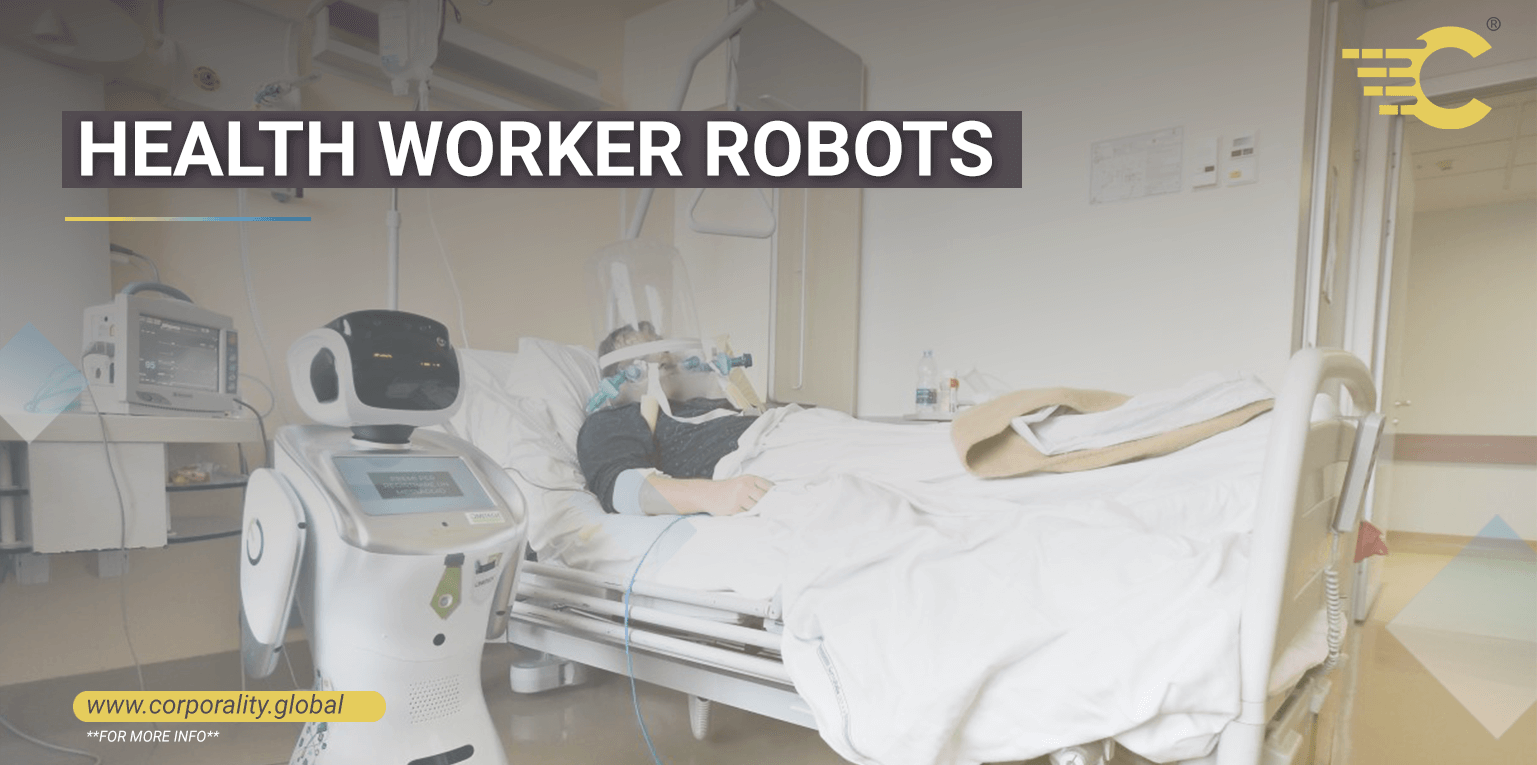
Health workers are the backbone of healthcare systems worldwide. Robots can help healthcare workers (nurses and doctors) with repetitive and advanced tasks to make work easier and more efficient. In today's day and age, multiple highly advanced robots are used for healthcare purposes. These robots assist doctors and medical professionals in curing and operating on patients. In some cases, they operate independently of doctors. Ever since the pandemic in 2020, the world has seen a considerable rise in demand for humanoid robots. As a result, 2021 has seen a substantial increase in robotics in the healthcare industry.
Here are some use cases of robots in healthcare.
A cure for cancer?
A complex version of a robotic arm with precision tracking abilities can cure patients' cancer. It can perform tumor removals and radiation surgeries on patients independently. The system tracks the malignancy and changes direction while the patient stays stationary. This system was developed about a decade ago and is now used worldwide in medical facilities, especially in the USA. It saves valuable time for surgeons and executes the procedure with a precision that exceeds humans' ability, making radiation surgeries way more effective.
Robots for vaccines
Thai robotics company ABB developed a lab robot called YuMi. These intelligent robots can test viruses in less than a minute. It frees health workers from the risk of getting exposed to the virus. In addition, the YuMi robot can also manufacture and test vaccines against viruses. These robots can perform almost 2000 tests in a single day. That makes them supremely capable and a must-have for virus testing labs. Lesser human exposure to deadly viruses can save the valuable lives of doctors and health workers. Widespread use of these robots is helping shape the casualty-free future of the healthcare industry.
Robotic Surgeons
Robots that can perform surgeries have been around for a decade. They have only gotten better with time. Now powered with high-resolution 3d image projections and environment mapping, these surgeon robots are more capable than ever to perform advanced surgeries with maximum precision. UCDavis Health in Texas uses surgeon robots to assist doctors with complicated procedures. The technology reduces operating time considerably and minimizes the risk of infection because the robot can suture with more precision than doctors. Robot surgeons do not always independently operate on patients - they are mostly used as assistive technology by doctors. Highly modular robot arms help doctors perform painless precision surgeries. It is remarkable how far robotics has come - they are now essential to the healthcare industry. An advanced robotic system called the "DaVinci Surgical System" is most prevalent in the healthcare industry worldwide. Multiple arms mounted with precision tools and progressive 3d imaging guide doctors to understand the dimensions and surroundings of the body parts to be operated on. This system is being used to perform prostate elimination and other precision surgeries because of its highly modular arms.
Humanoid Nurse
Hanson Robotics, the Hong Kong-based robotics company, created the revolutionary humanoid robot called Sophia in 2017. Their latest innovation, Grace, a humanoid nurse, has proven extremely useful in infectious diseases or even caring for older patients who need upkeep and affection. Grace is equipped with over 60 facial expressions and looks exactly like a human being, making it easier for patients to trust and interact with her. AI powers her to possess conversational skills that match humans closely - she even cheers patients up by telling them jokes. Grace is equipped with the same AI technology that powers Sophia and possesses an infrared scanner to perform temperature checks on patients. She conducts basic diagnostics, guides patient exercise, performs multiple bio checks and entertains patients by socialising. She was created to reduce risks for frontline healthcare workers when infectious diseases are spreading rapidly.
Nano Robots
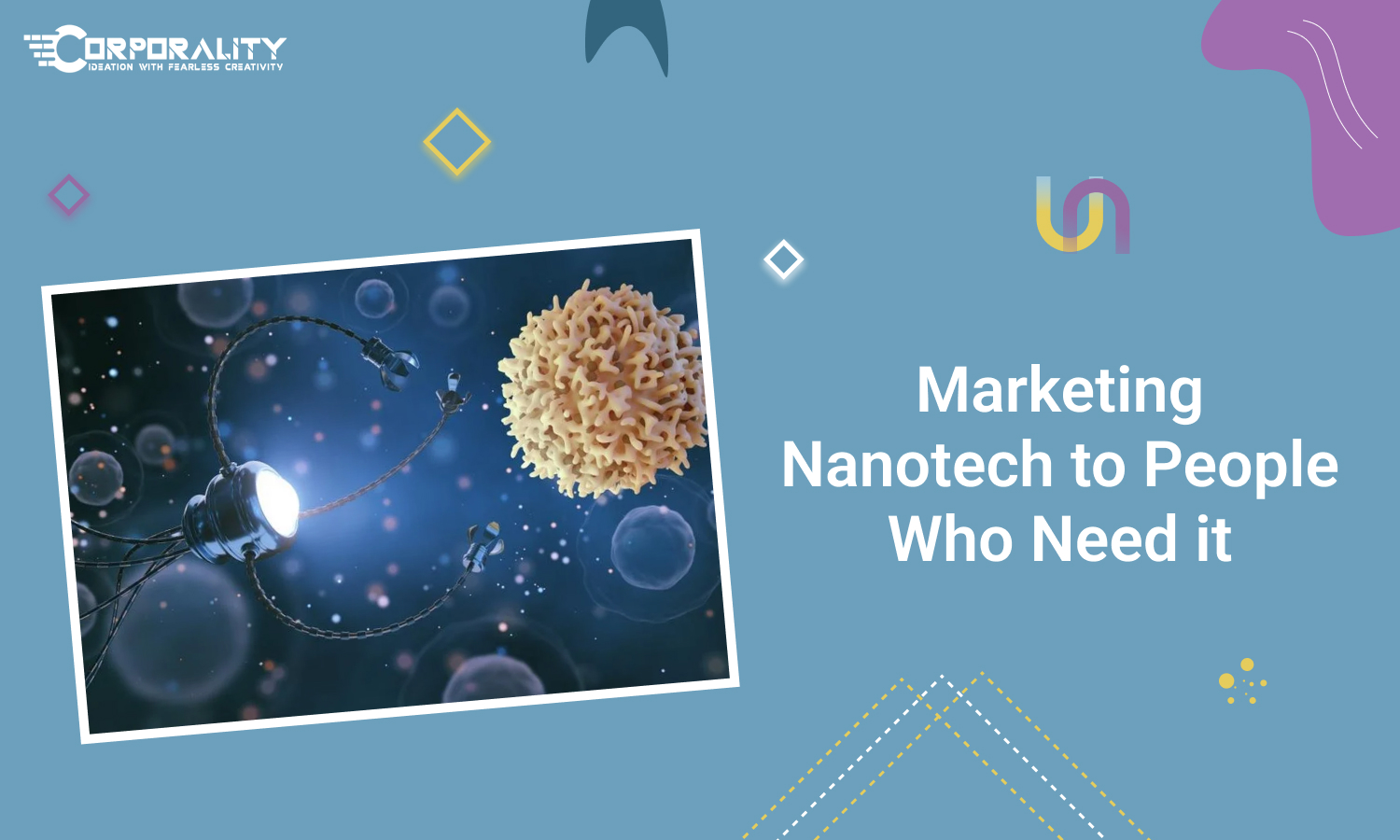
Tiny robots are being developed to perform precision drug delivery to the human body. For example, nanotech robots can perform chemotherapy independently to cancerous cells in the human body. The technology is considered the next-in-line evolution of robots in the healthcare industry.
Digital marketing and healthcare robots
Technology has given us the ability to connect the dots across the medical landscape, especially where emergent patient care is concerned. With Australia's health tech industry proliferating, it is time to augment b2b awareness and make way for advanced trade. In addition, companies within the industry must get ready to compete with others in the sector to fortify their brand. Corporality fully understands the strength of your label and designs roadmaps to boost your business growth and profitability for a sustainable future.
Contact us to know more.Copyright © 2022 Corporality Global. All rights reserved. Corporality and its logo are trademarks of Corporality Global.