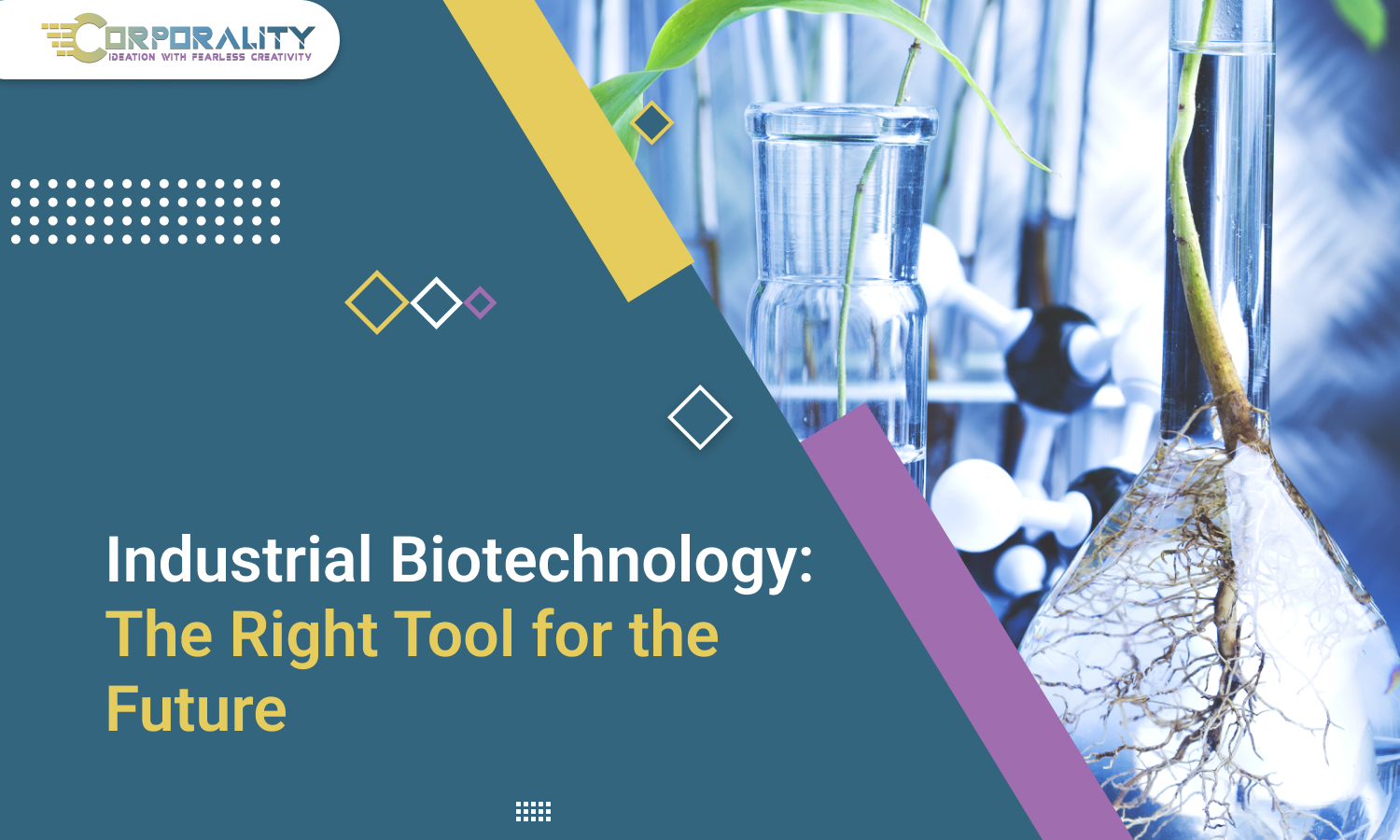
Industrial biotechnology is a burgeoning subsector of the biotech industry that innovates on materials that are built from scarce materials.
The third wave of biotechnology, industrial biotechnology, has enormous potential to revolutionize a wide range of industrial processes by eliminating pollution, cutting costs, conserving natural resources, and bringing new goods to market that will enhance our quality of life. Traditional agricultural products and crop leftovers are finding new uses as renewable feedstocks, chemical intermediates, and energy sources, as well as opening up new markets for them.
The Industrial and Environmental Section of the Biotechnology Industry Organization (BIO) holds the view that resource efficiency and pollution reduction cannot be achieved through sustainable development without constant innovation, advancement, and application of clean technologies and "green" chemistry. Modern molecular biology (genomics, proteomics, and bioinformatics) techniques are used in industrial biotechnology to create novel biobased processes that have a smaller negative environmental impact while increasing productivity across a wide range of industries. Industrial biotechnology is offering cutting-edge new tools, techniques, and know-how regardless of the stage of industrial production—inputs, manufacturing process, or final product—to enable businesses to move beyond regulatory compliance to the proactive pollution prevention and resource conservation strategies that are the hallmarks of industrial sustainability.
The Organisation for Economic Co-operation and Development (OECD) produced a ground-breaking report in 2001 that featured 21 case studies from the real world where biotechnology was integrated into operational industrial processes. According to the OECD assessment, industrial biotechnology more than fulfilled its promise to upgrade and revolutionize society.
By posing the following logical query, "What if industrial biotechnology were applied more extensively?", we have attempted to build on the existing 2001 OECD study. We have made a first, albeit imperfect, study of the potential environmental and resource conservation advantages that might accrue to particular industrial sectors in addressing this topic.
The following are some prominent uses of industrial biotechnology:
Biocatalysts
One of the main industrial biotechnology products that is best able to serve all living things is biocatalysts. Different industrial biotechnology businesses create biocatalysts, such as enzymes that aid in the synthesis of numerous compounds.
In other words, all types of living organisms create enzymes, which are proteins.
Fermentation
One example of industrial biotechnology is fermentation, in which a crop's sugar is converted to acids and used as an intermediary to create other chemicals and feedstocks for various goods. In order to create chemicals in large quantities, corn plants are frequently employed instead of petroleum.
Microorganisms
Industrial biotechnology benefits microorganisms as well because it has a broad application across many scientific disciplines and is constantly evolving. They can be employed in the synthesis of compounds used in the creation and design of polymers. Additionally, this technology aids in the creation of novel, environmentally friendly energy sources like biofuels.
Energy
Both the conventional fossil fuel and the renewable energy sectors of the industry contain examples of biotechnology in the subject of energy. It is safe to state that industrial biotechnology is essential in the process of removing precious materials from deposits buried deep within the soil.
Let's discuss ethanol, which is a popular sustainable fuel. As a result of the need for transportation fuels, its output is rising quickly. A considerable portion of ethanol can be made by fermenting sugars that are derived from cornstarch.
To Finish It All: Prepare for the Changing Market Dynamics
There is no denying that biotechnology has a greater impact on the industry and improves our lives when one considers all the uses and advantages. Several biotechnology consulting companies are attempting to improve things and develop new discoveries after conducting numerous tests and studies that benefit us in every manner.
It is obvious that significant internal and external changes as well as problems are coming. One of the industry's fastest-growing subsectors is industrial biotechnology, and investment in it is rising quickly. But the market is expected to appear differently. There will be more merger and acquisition activity. Increased attention and scrutiny from private equity firms are to be expected. Business integrations will probably speed up. Such B2B interfaces might have snags and disturbances that take time to smooth out, despite being crucial in our constantly evolving digital ecosystem. Talent evaluation, organization design, and change management will become a primary focus as businesses combine the strength of their groups to develop projects. It will be crucial to stay committed to the basics of good leadership. Therefore, the most important query is: Are you ready?
Every DIY project needs the appropriate tools as well as craftiness or creative problem-solving. These types of questions are common in biology. These recent articles demonstrate how small-molecule tools can be used to develop mechanistic "know-how" about biological processes and, through clever application, can control where and when molecules interact with their targets to produce results at the organism scale.
Corporality Global is a brand that aims to enlighten you about various marketing strategies and helps you get in front of your audience. CEOs and CMOs can take control without disrupting their existing framework and infuse potent schemes to help business growth. Book a discovery call with us today!
Copyright © 2022 Corporality Global. All rights reserved. Corporality and its logo are trademarks of Corporality Global.