
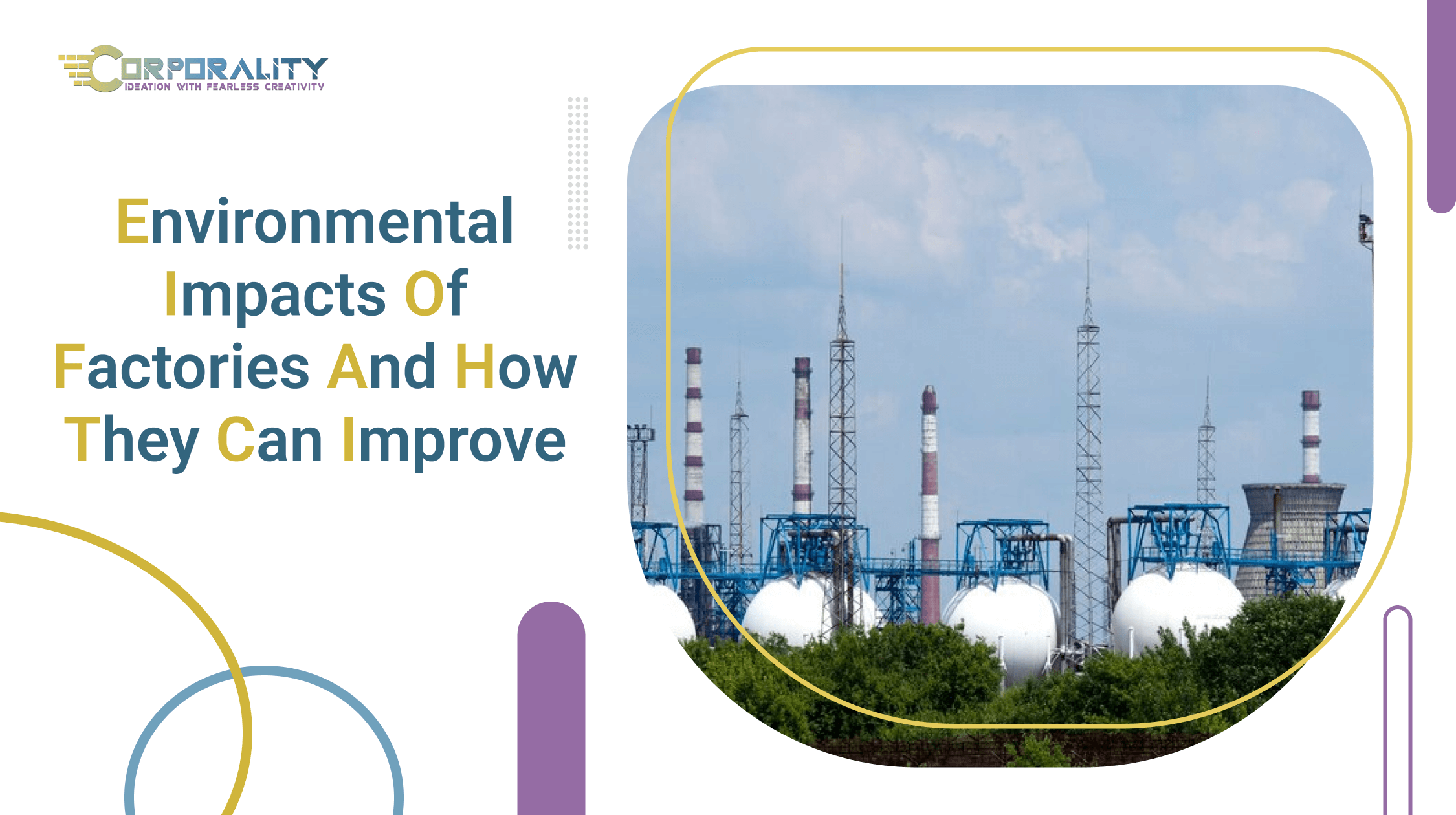
As great as industrialization is, it's important to be mindful of the environmental impacts that our factories and manufacturing sites cause. And how can we prevent the negative impacts on our environment?
Because of their toxic waste disposal, water contamination, and air pollution emissions, factories have a negative impact on the environment. In addition, they are the main contributors of greenhouse gas emissions. Nearly two thirds of the emissions linked to global climate change come from factories alone.
Despite the dismal figures, facilities now have a wide range of choices for decarbonizing the industrial process thanks to technology breakthroughs.
Factories' Environmental Impacts
Without a question, manufacturers have played a significant role in the harm done to the environment, including air pollution, hazardous waste, and water poisoning. Actually, they account for two thirds of greenhouse gas emissions.
Because of the harmful and hazardous substances that it emits into the environment, not only does our world suffer, but also our health.
Although industries are not the only ones responsible for the devastation that is rapidly destroying our world, they are a significant component.
Here are some ways that factories contribute to the harm that humans are causing to the environment:
Air Toxicity
Major sources of air pollution include industrial factories. The quantity of poisonous gases that manufacturers emit into the air increases the harm to human health and the environment.
Climate Change
Toxic substances and gases, such as carbon dioxide and methane, are burned and released into the atmosphere in industries. Methane and carbon dioxide directly affect the planet's temperature by absorbing solar radiation.
Rising sea levels, an increase in Earth's temperature, the threat of extinction for various animal species, an increase in tsunamis, storms, floods, and other natural disasters, as well as the melting of the ice caps, are all effects of global warming.
Both our health and the environment are impacted by factory pollution.
Reduce your water usage
Water is used in factories for a variety of purposes during the manufacturing process, including washing, cooling, dilution, and sanitation. Manufacturing facilities might look at methods of water recycling within their facilities as an alternative to discharging wastewater to sewers and storm drains. Water audits can be carried out by water corporations and water resources experts to provide more specific guidance.
On a smaller scale, water faucets with sensors and low-flush toilets can cut down on the amount of potable water wasted during regular operations.
Conduct an energy audit
The process of determining which devices or processes use the most energy is called an energy audit. This information is useful since it identifies the particular areas that need development the most. When a factory identifies the worst offenders, they have a place to start when reducing their energy usage.
Additionally, energy audits might result in annual energy cost savings. Energy-saving strategies typically result in cost reductions that exceed the capital businesses make to implement them. Use of more energy-efficient light bulbs, switching to sensors for lights, and upgrading or adding insulation are examples of small-scale changes. A smaller carbon footprint can result from using less energy overall.
Replace aging machinery
Energy can be wasted by aging equipment when it operates inefficiently. Manufacturing facilities can replace outdated equipment with newer, more energy- and time-efficient models if repairs or part replacements fail to yield gains. Newer models will use less energy, but time savings could potentially shorten product turnaround times or remove bottlenecks. The machinery and procedures that require the most improvement will be identified via an energy audit.
Significant amounts of waste thermal energy are released by equipment. Cogeneration systems, which use the thermal energy produced by equipment to moderately heat water or heat areas, can be purchased by manufacturers to take advantage of this wasted heat.
Recycle
Consider whether and how your factory may utilise the scrap metal and waste materials rather than putting them out with the trash. Try to recycle all waste goods properly if this isn't possible. Make sure your staff members are informed so they understand the distinction between waste and recyclables.
Use your imagination to find out whether the nearby businesses and colleges are interested in the factory waste products. While local businesses may be able to use sawdust or waste plastic for various reasons, students may be interested in using scrap metal or wood for art projects or creating prototypes.
Corporality Global is a brand that aims to enlighten you about the various marketing strategies and helps you get in front of your audience. CEOs and CMOs can take control without disrupting their existing framework and infuse potent schemes to help business growth. Book a discovery call with us today!
Copyright © 2022 Corporality Global. All rights reserved. Corporality and its logo are trademarks of Corporality Global.